
Should I choose a Composite Front Door or a uPVC Front Door?
Free Quotes
Assess your options with ease by requesting a quick quote from our experts
Quick Turnaround
Whether we’re installing a brand new window or repairing a current one, we offer swift response and service
Top Aftercare
Our aftercare, repair and maintenance services are tailored to you and second to none
Insured & Accredited
Rest assured in the quality and longevity of your product, thanks to our accreditations and insurance
Value for Money
Bespoke products for affordable prices, giving you more for your money
Expert Glaziers
Established over 40 years ago, we are supported by a team of skilled glazing specialists
The front door is the first thing that catches your eye when you see a property. It’s the first glimpse of your property that a visitor gets, and it’s only natural that you want to make a good impression.
There’s a wide range of front door make, models and options out there for you to choose from, each of which is designed to suit a specific type of property.
But how do you narrow down your search?
At Abbey Glass, we’ve used our extensive knowledge of these products to help you on your search. We’ve dedicated this blog post to creating an easy helper to a common front door purchase decision – whether to go for a composite, or a uPVC front door.
With this handy pros and cons list, you’ll have all the info you need to make the best decision for your property.
Composite Front Doors:
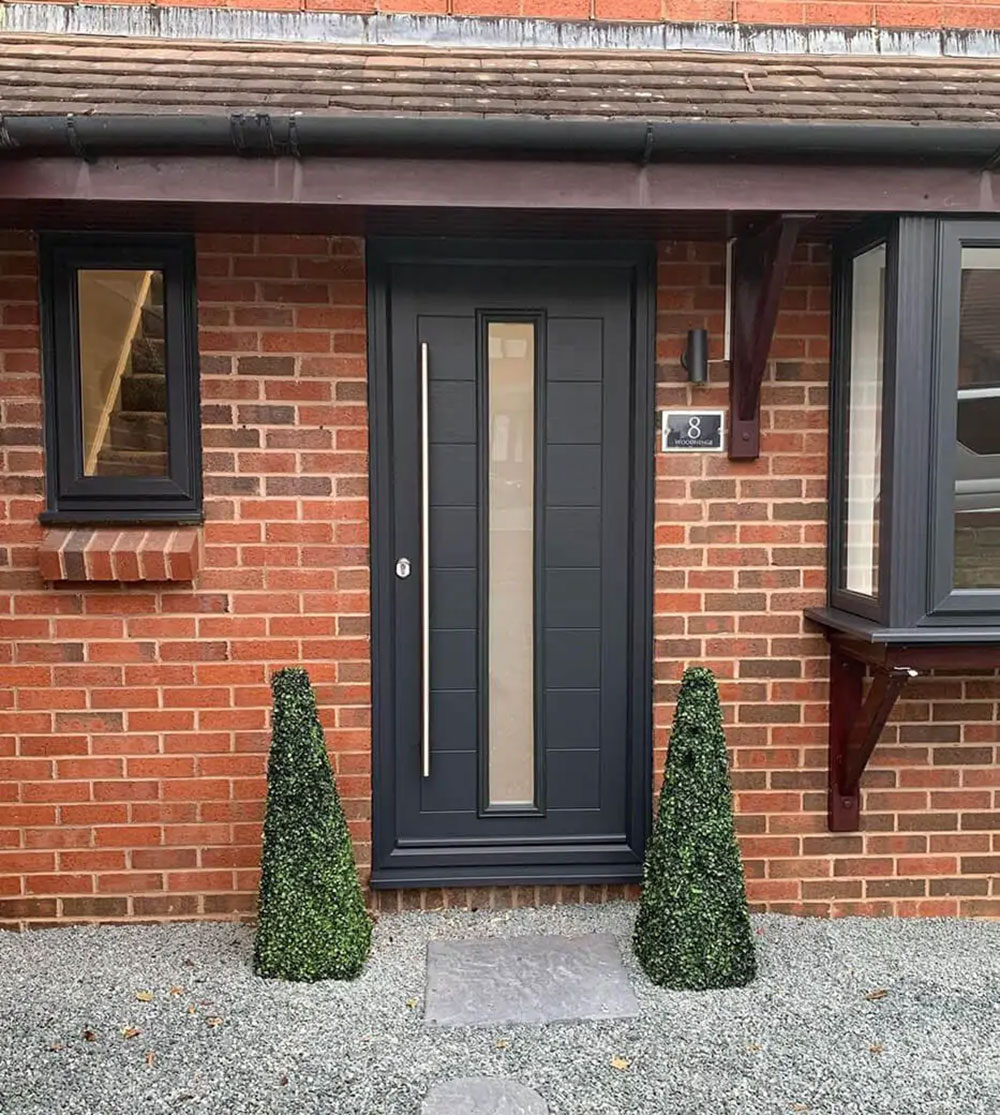
Pros:
- A composite front door provides the property with a fantastic level of security.
- Composite doors are significantly thicker than uPVC doors. This makes them stronger, more secure, and more energy efficient, too.
- They are super easy to maintain.
- The average lifespan of a composite front door is an impressive 30 years.
- Composite doors can be given an attractive, realistic wood-effect finish. They are also available in a wide range of different colours.
Cons:
- Composite doors tend to be more expensive than uPVC alternatives.
uPVC Front Doors:

Pros:
- These doors are significantly more affordable than Composite alternatives.
- They still offer users an impressive durability, with an average lifetime of 20-25 years.
- They still boast a high energy efficiency rating.
- They are available in a vast range of colours.
- They are super easy to maintain, and can be cleaned easily with a moist cloth.
Cons:
- These doors are thinner than uPVC alternatives.
- They have a plastic finish, which means they do not look as attractive or modern as Composite doors.
Both are great options, but each have their own specific plus points, which make them best suited to a particular type of property or user.
If you have any questions about either of these front door types, don’t hesitate to get in touch with us. Our team has the expertise to fit both models, and our services are on hand to help with any front door requests that you may have.


